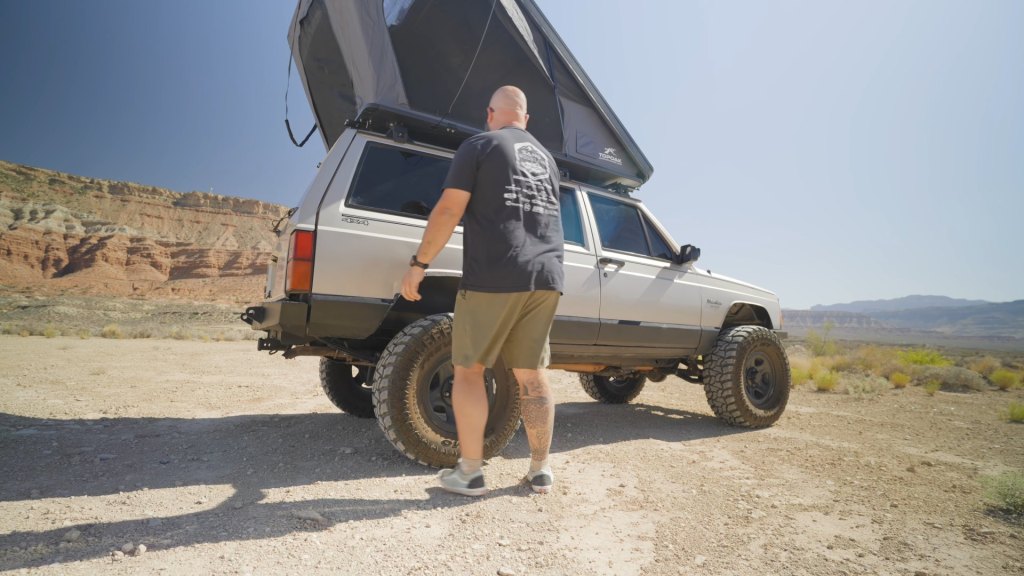
Fold-out solar panels are a pain. You set them up, chase the sun, fight the wind, pack them up dirty. So I mounted a flexible 200 watt Lensun panel right on top of my rooftop tent. It charges while I drive and while I camp, and I never touch it. Want one? Code Overlanderik gets you 10% off.
What you need
- A hard-shell rooftop tent. Mine is the Topoak Galaxy Light 56.
- A flexible solar panel. I used the Lensun 200W. Use code Overlanderik for 10% off.
- VHB double-sided mounting tape. I used Scotch-Mount Extreme indoor/outdoor, rated to 30 lbs.
- 91% isopropyl alcohol and a clean rag.
- An extension cable. You can add one when you order the panel. Mine is about 16 ft.
- A small pressure roller to seat the tape.
- A power station to charge. Mine is a Segway Cube 1000.
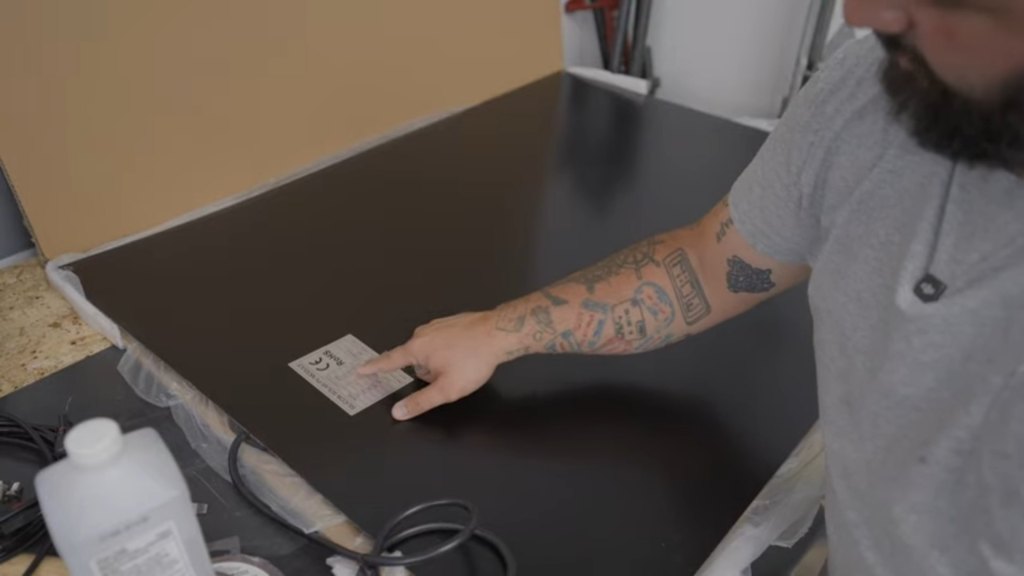
The panel I got is the LS200FX2. The label lists 209 W max power, 22 V at max power, 9.5 A at max power and 25.96 V open circuit.
Step 1: Pick the spot and prep the lid
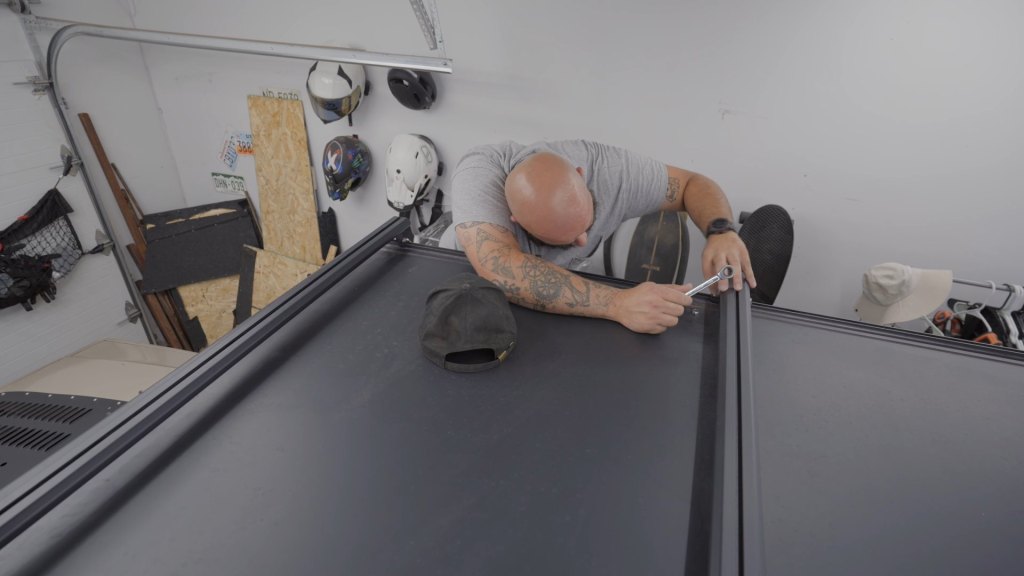
I pulled the crossbars off the tent lid since I wasn’t using them. I mounted the panel at the front of the tent, not the back. The reason is cable length: from the back I’d lose two or three feet just getting the cable forward and back down. Up front, the cable has plenty of reach.
Clean the whole mounting area with 91% isopropyl and a rag. VHB tape only holds as well as the surface is clean.
Step 2: Tape the back of the panel
Run strips of VHB tape across the back of the panel. A lot of people use silicone or adhesive here. I didn’t want goop everywhere, so I went with tape.
Step 3: Lay it down and roll it tight
Lay the panel down starting from one edge, then go over every inch with a pressure roller. Pay extra attention to the front edge. That’s where a 60 to 90 mph headwind will try to peel it up on the highway.
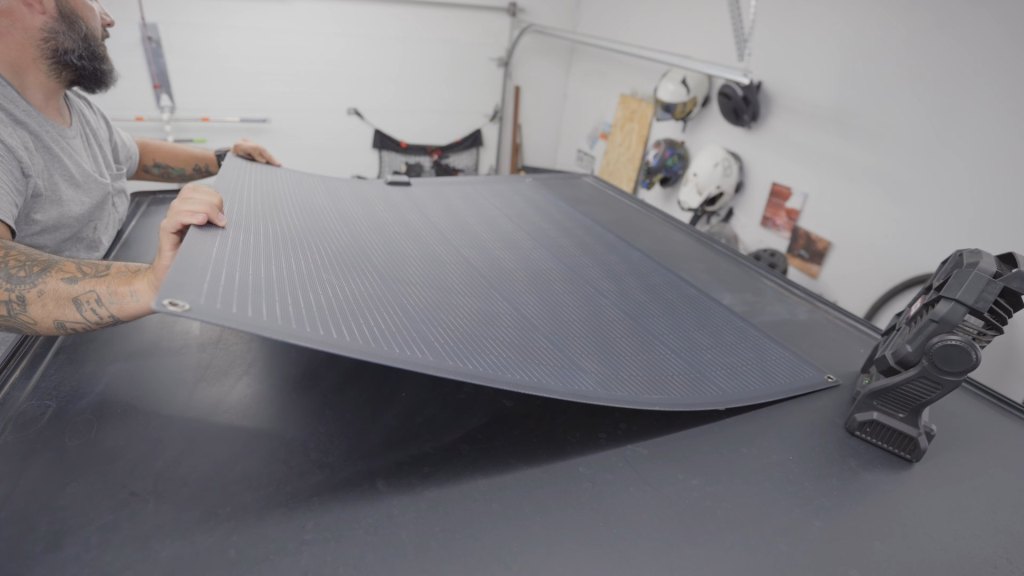
Real talk: I ended up adding a bead of body panel adhesive along the leading edge for peace of mind. The tape alone may hold, but for the front edge I’d rather not find out at 70 mph. Then let it cure overnight before you drive it.
Step 4: Route the cable
The cable runs along the top of the tent spreaders, drops down by the door and comes inside to the power station. For now that’s it, no drilling. Once I build out the rear storage and know where the battery lives, I’ll put a pass-through grommet in the roof for a cleaner run.
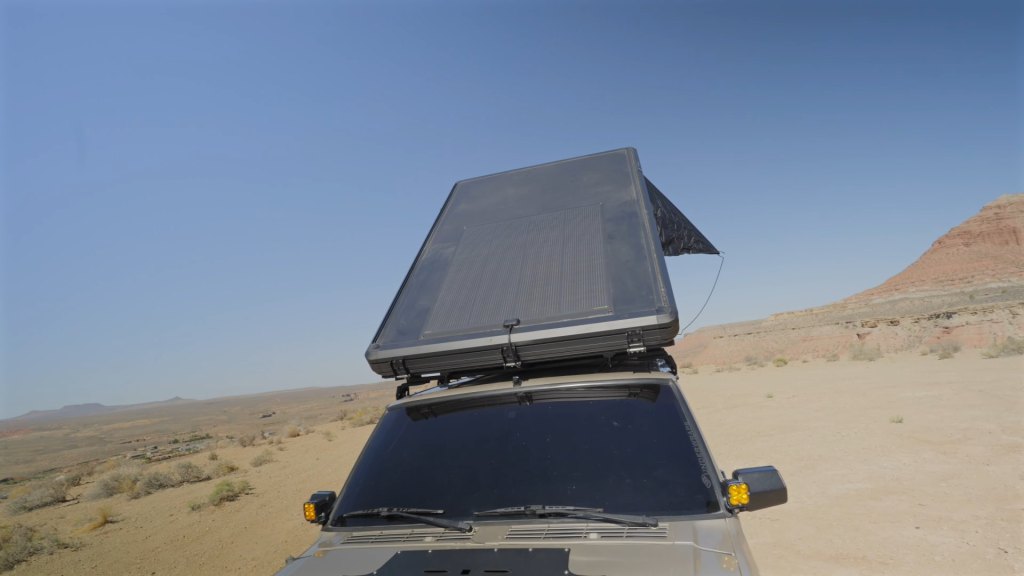
The results: real numbers
| Setup | Solar input |
|---|---|
| Parked, 10 am, Southern Utah | 152 to 153 W |
| Driving | About 100 W |
| My old fold-out 200 W panels on the ground | About 70 W |
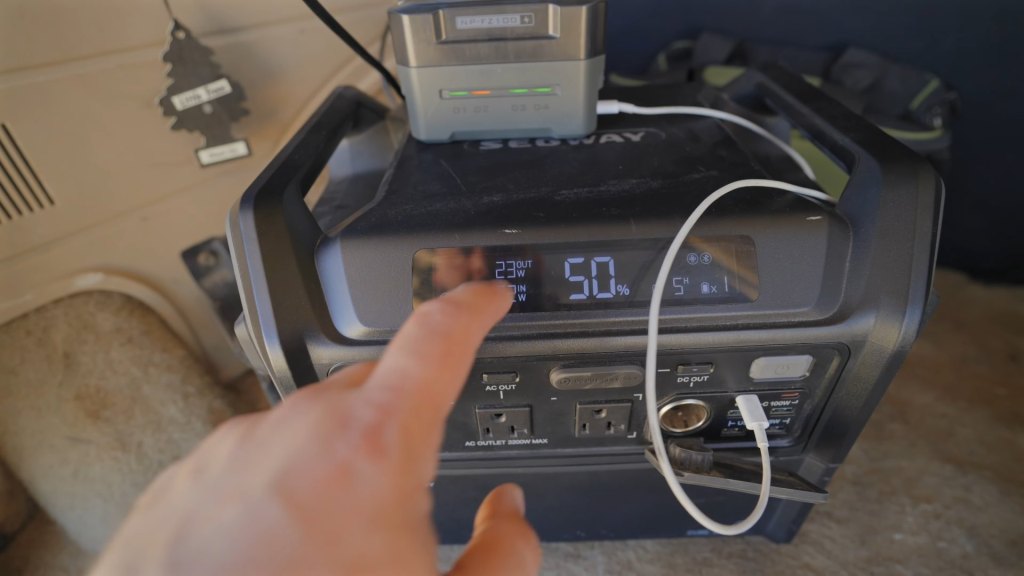
153 W out of a 200 W panel at 10 in the morning is pretty dang good, and it only goes up as the sun climbs. The biggest thing running off it is my fridge, which pulls about 60 to 70 W, so I’m making roughly double what it uses.
Tip: chill the fridge at home on shore power and load it with food that’s already cold. That way the fridge isn’t fighting to cool everything down off solar on day one.

Would I do it again?
Yes. No more setting up panels, no more chasing the sun, and it charges the whole time I’m driving. If I did it over, I might put two smaller panels on the lid instead of one, but for a fridge and camp power this setup is exactly what I needed.
Get the panel: Lensun 200W flexible solar panel, code Overlanderik for 10% off. Using my link supports the channel at no extra cost to you.

